August 4, 2026
Building a home is a major milestone that involves many decisions, careful planning, and ongoing communication. Working with custom home builders allows future homeowners to create a home that reflects their needs, preferences, and long-term goals while following an organized construction process. This article explains what to expect during each stage of the journey, from early planning through the final walkthrough, so the experience feels more predictable and easier to understand.
Planning the Overall Vision
Every custom home project begins with conversations about the home's purpose, layout, and overall style. During this stage, ideas are discussed, priorities are identified, and expectations are outlined before detailed plans move forward. Early planning helps create a clear direction that supports the rest of the project. Open communication is important throughout these early discussions. Questions about timelines, budgets, building locations, and design preferences are often addressed before construction begins. Taking time to review these details can help reduce confusion later in the process.
Many people begin the process with a general idea of what they want, but those ideas often become more refined through planning discussions. Priorities such as room placement, future space needs, accessibility, and overall functionality are considered before final decisions are made. Looking at both current and future needs helps create a home that remains practical over time. Early conversations also help identify features that may have the greatest impact on the overall project before construction begins. Seeking professional guidance during the planning stage can also help identify practical solutions that fit the property's characteristics and long-term goals. Careful preparation gives everyone involved a shared understanding before work progresses.
Reviewing the Design Process
After the initial planning stage, attention shifts toward developing the home's design. Floor plans, room layouts, exterior appearance, and functional features are reviewed so that they align with the project's goals. Adjustments may be made before final plans are approved. According to Architectural Digest, custom home builders commonly allocate three to five months for design, and six to eight months for construction. Every project is different, so schedules may vary depending on property conditions, permitting requirements, weather, and other factors. Having a general timeline helps set realistic expectations throughout the building process. Working closely with custom home builders during the design phase allows questions to be answered before construction begins. This collaborative approach often leads to smoother decision-making as the project moves forward.
Preparing the Building Site
Once plans receive the necessary approvals, the building site is prepared for construction. This stage may include evaluating the land, preparing the foundation area, and coordinating required inspections before major building activities begin. Site preparation often takes place before visible construction starts, making it an important part of the overall schedule. Conditions such as terrain, drainage, and local regulations may influence how long this stage takes to complete.
Preparing the property also involves coordinating several activities before the structure begins to take shape. Utility connections, grading, and other site-related considerations may be reviewed as part of the preparation process. Although much of this work happens before noticeable progress is visible above ground, it plays an important role in supporting the construction that follows. Careful coordination during this stage helps keep later phases moving more efficiently. Professional oversight helps coordinate each step while keeping the project moving in the proper sequence. Careful preparation creates a solid starting point for the work ahead.
Following the Construction Timeline
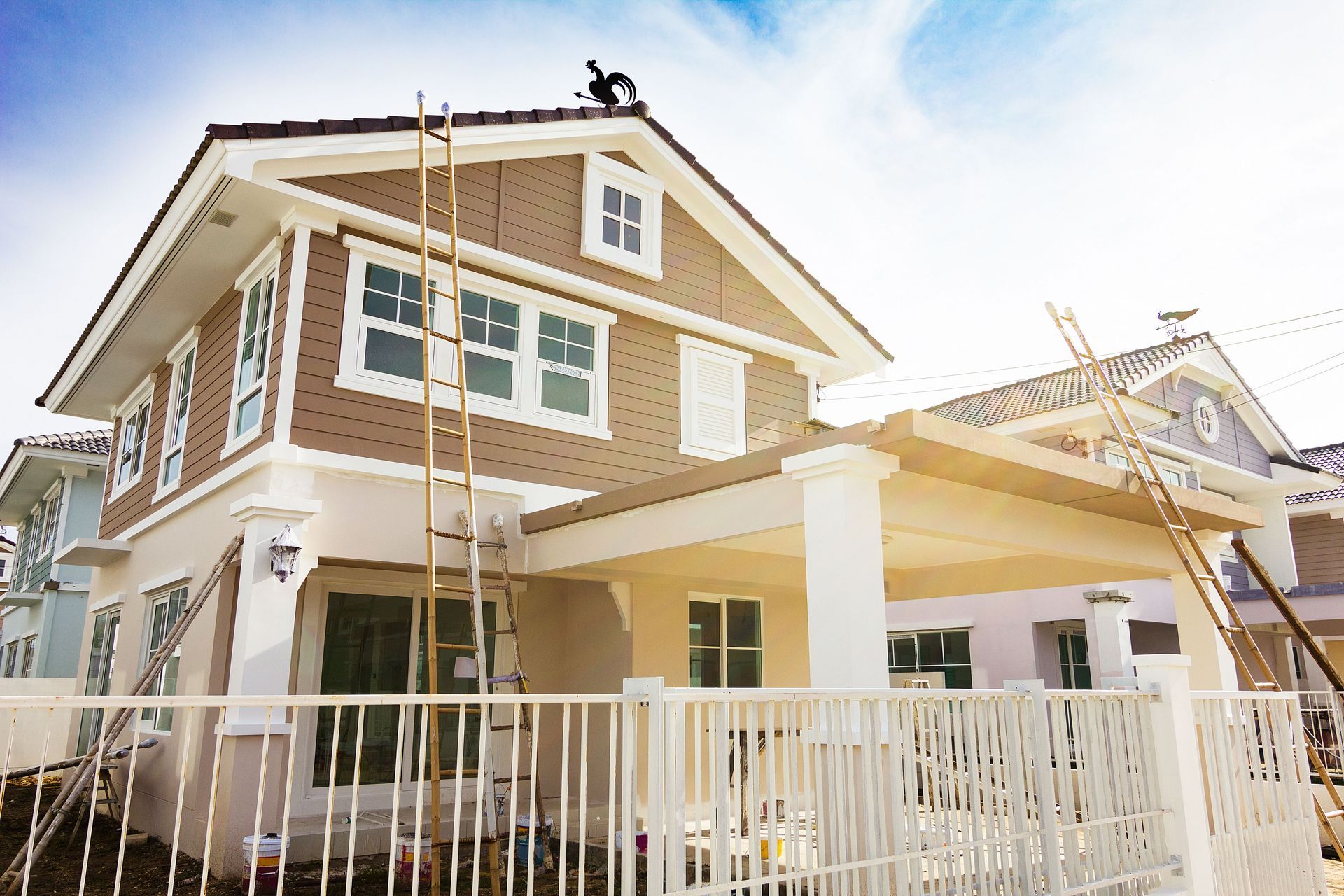
Construction typically moves through several organized phases. The foundation is completed first, followed by framing, roofing, exterior work, mechanical systems, insulation, drywall, interior finishes, and final details. Each phase depends on the completion of the previous one. Regular progress updates help everyone stay informed throughout the project. Some stages may move quickly, while others require additional time because of inspections, weather conditions, or material availability. Small schedule adjustments are common during home construction.
Construction schedules often include several inspections along the way. These inspections verify that completed phases meet applicable requirements before work continues to the next stage. Waiting for inspection approvals can occasionally affect scheduling, but these reviews are a normal part of the construction process. Understanding that each phase builds on the previous one helps explain why timelines sometimes shift even when progress continues steadily. Working with custom home builders provides an organized process that coordinates each stage while maintaining communication from start to finish. Understanding the sequence helps reduce uncertainty as construction progresses.
Selecting the Interior Features
As construction advances, many interior selections are finalized. Flooring, cabinetry, lighting, paint colors, fixtures, countertops, and other finishes contribute to the home's overall appearance and functionality. These selections are often scheduled throughout different stages of construction. Making design decisions according to the project's timeline helps keep work moving efficiently. Some selections may need to be completed earlier than expected because they affect upcoming construction phases. Professional guidance can help explain how different materials and finishes fit within the overall design while supporting the project's schedule. Clear communication during this stage helps avoid unnecessary delays.
Interior selections also influence how each room functions and feels once the home is complete. Choosing finishes that complement one another creates a consistent appearance throughout the home while supporting everyday comfort. Reviewing samples and discussing available options with professionals can make decision-making more manageable. Completing these selections on schedule also helps maintain momentum as construction continues.
Monitoring Communication Throughout
Strong communication plays an important role throughout every phase of a home build. Regular updates provide opportunities to discuss progress, answer questions, and review upcoming milestones before the next stage begins. Construction projects involve many moving parts, so occasional adjustments may occur. Weather, inspections, permitting, and scheduling can all influence the timeline. Receiving timely information makes these changes easier to understand. Many custom home builders maintain ongoing communication so clients remain informed throughout the project. Consistent updates create a smoother experience from planning through completion.
Completing the Final Walkthrough
As construction nears completion, the project enters its final stages. Systems are reviewed, finishing details are completed, and inspections confirm that required standards have been met before occupancy. A final walkthrough provides an opportunity to review the completed home and discuss any remaining items before the project concludes. This step allows everyone to confirm that the completed work matches the approved plans and expectations. Seeking professional guidance throughout the entire building process helps make each phase more organized while supporting a successful outcome. Having a structured process from beginning to end can make the transition into a new home much more comfortable.
Choosing to build a custom home is about creating a space that supports everyday living for years to come. From early planning through the final walkthrough, each stage contributes to the finished result. Understanding the process helps set realistic expectations and allows important decisions to be made with greater clarity. A new home represents a long-term investment, making preparation and communication valuable throughout the experience. Working with custom home builders provides a structured process that keeps timelines, milestones, and progress organized. Every project follows its own timeline, but staying informed throughout each stage helps create a smoother building experience. If you are planning to build a new home, contact Hammerskil Homes today to learn about how our custom home builders can help guide your project from the first plans to the completed home.