January 6, 2026
Building a home is a significant milestone, one that requires careful planning, coordination, and execution. For homeowners considering a new residence tailored to their preferences, custom home building provides the opportunity to design every detail, from floor plans to finishes. However, understanding the timeline of custom home building is essential for managing expectations, ensuring smooth communication, and preparing for each stage of the process. In this article, we’ll walk through the major phases of custom home building and provide insights into what homeowners can expect from start to finish. Being informed about each stage allows homeowners to make better decisions and reduces stress during what can otherwise be a complex undertaking.
Initial Planning and Conceptual Design
Every custom home building project begins with planning and conceptual design. This phase involves determining the homeowner’s needs, preferences, and budget. Architects or designers work closely with clients to translate ideas into preliminary blueprints, including room layouts, exterior styles, and overall flow. Decisions made during this stage are critical, as they form the foundation for the construction process. Clear communication about design priorities helps ensure that the project aligns with the homeowner’s vision and prevents delays later in the build. Additionally, this stage allows for initial discussions about materials, energy efficiency, and structural considerations. Homeowners who invest time in this phase often experience fewer challenges later, as clear plans reduce the risk of costly changes during construction.
Site Selection and Preparation
After the conceptual design, selecting and preparing the building site is the next step. This includes assessing soil quality, evaluating access for construction equipment, and confirming zoning and permitting requirements. Site preparation may involve clearing land, grading, and ensuring that utilities like water, electricity, and sewage connections are accessible. Proper site preparation lays the groundwork for a smooth construction process, reducing the likelihood of unexpected delays. Homeowners benefit from understanding how long this phase can take, as factors like lot size, terrain complexity, and environmental regulations play a role in determining the timeline for custom home building. Investing in thorough site preparation helps ensure that the foundation and subsequent construction are stable and reliable.
Design Finalization and Permitting
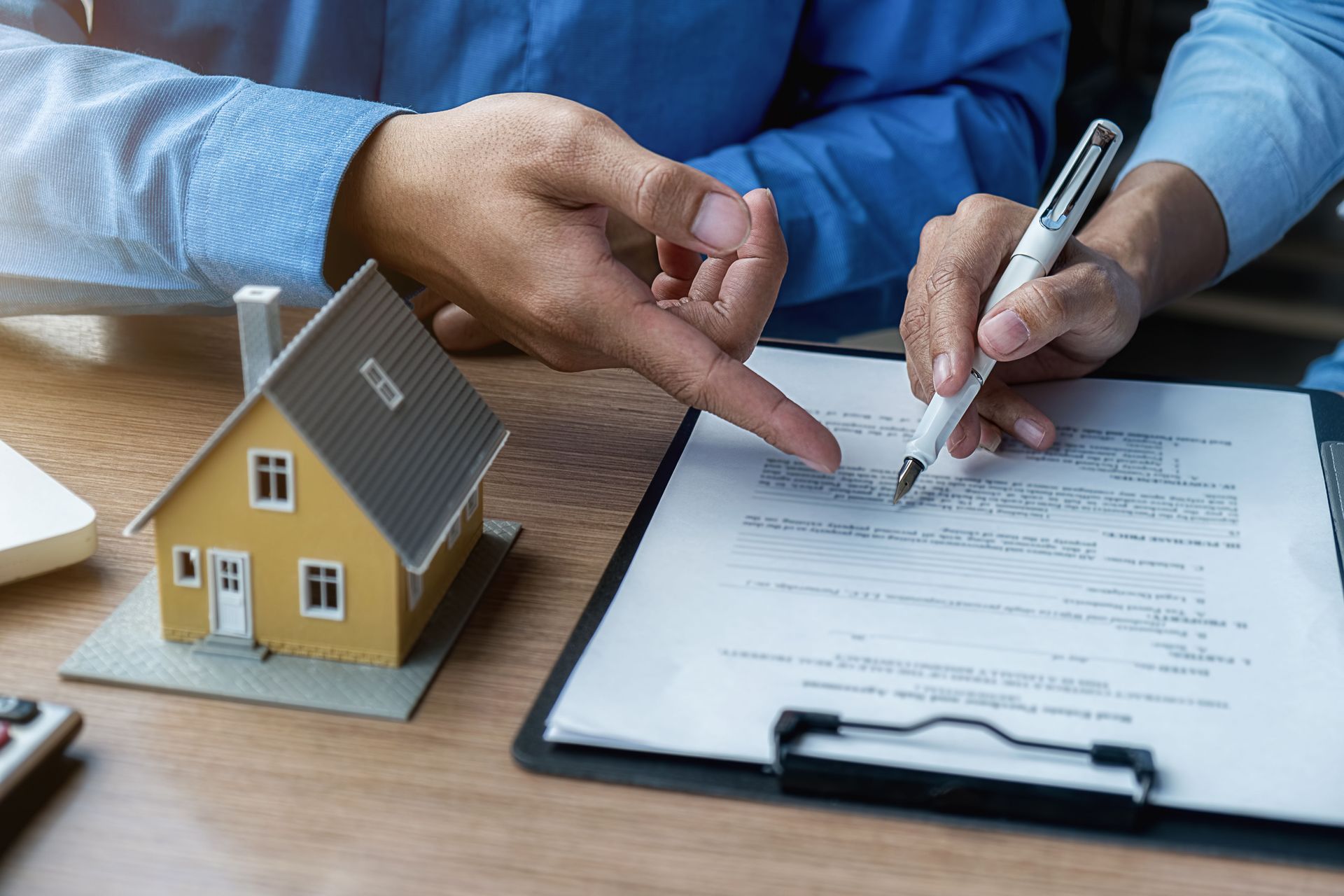
Once the site is ready, the architectural and engineering designs are finalized. Detailed plans, including floor plans, elevations, electrical layouts, plumbing, and HVAC systems, are completed. Submitting these plans for permits is a crucial step before construction begins. Permitting timelines vary depending on the location and complexity of the project, and delays in approvals can affect the overall schedule. Homeowners should remain engaged during this phase, reviewing plans carefully and providing timely feedback. Addressing potential issues early ensures that the custom home building process proceeds efficiently. Being proactive during permitting can prevent interruptions that might otherwise extend the construction timeline and add unnecessary stress.
Foundation and Structural Work
With approvals in place, construction officially begins with the foundation and structural work. This phase includes excavation, pouring concrete, and constructing the base upon which the home will stand. Structural elements such as framing, beams, and support systems follow, forming the skeleton of the house. This stage is critical to the integrity of the home, and careful inspection is necessary to ensure everything meets building standards. Custom home building projects often require additional expertise to adapt the structure to the design specifications, especially if the home includes unique architectural features, multi-level layouts, or integrated outdoor spaces. Strong structural work sets the tone for the entire project and ensures long-term durability.
Mechanical, Electrical, and Plumbing Installation
Once the framing is complete, the installation of mechanical, electrical, and plumbing (MEP) systems begins. This phase ensures that the home is equipped with necessary utilities and adheres to safety and efficiency standards. Proper planning and coordination among contractors are essential to prevent conflicts between systems and reduce the risk of errors. During this stage, homeowners can discuss options for energy-efficient systems, smart home integration, and customized utility layouts. A well-executed MEP installation is critical for the long-term functionality of the home and plays a significant role in the timeline of custom home building. Careful inspection and testing at this stage can prevent costly adjustments after walls are closed up.
Interior and Exterior Finishing
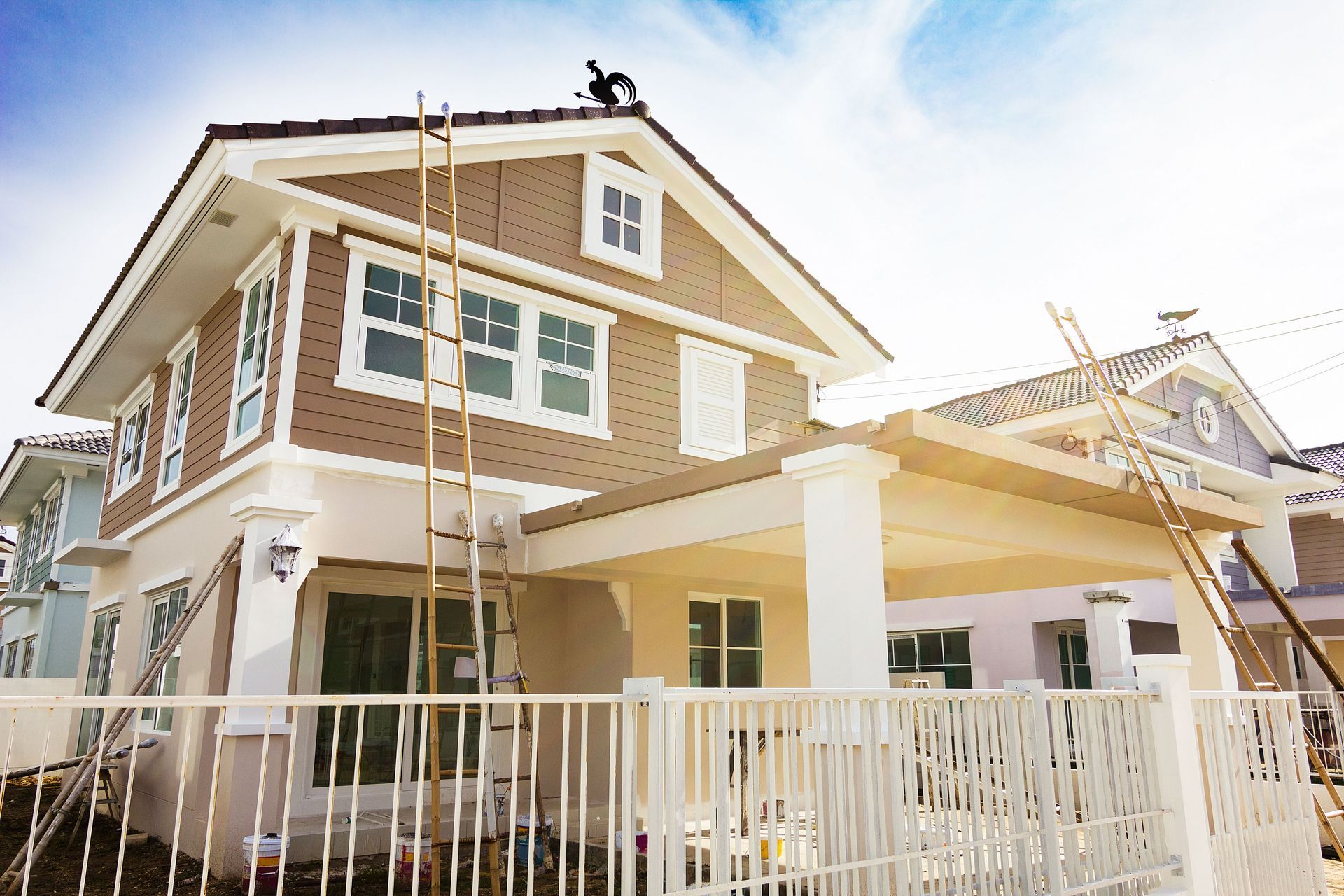
After utilities are installed, the focus shifts to interior and exterior finishing. Interior work includes drywall, insulation, flooring, cabinetry, countertops, and paint. Exterior work may involve siding, roofing, windows, and landscaping elements. The finishing stage allows homeowners to see their vision take tangible form. Attention to detail during this phase ensures that the custom elements of the home, such as built-in storage or unique architectural features, are executed correctly. Scheduling contractors and coordinating deliveries are critical tasks that can influence how long the custom home building process takes. Choosing finishes and materials thoughtfully can also affect timelines, especially for high-demand products that may require ordering in advance.
Inspection and Quality Assurance
Inspections and quality assurance checks occur throughout the custom home building process, but a thorough review takes place once major construction and finishing work are complete. Building inspectors evaluate compliance with local codes, safety standards, and structural requirements. Any deficiencies or corrections must be addressed before final approval. Engaging in this phase helps homeowners ensure that the home meets both legal and personal expectations. Attention to detail during inspections can prevent issues that may arise after move-in, contributing to a smoother transition and greater long-term satisfaction. Being actively involved in inspections also reinforces confidence in the quality and reliability of the work completed.
Final Touches and Personalization
Custom home building is defined by its focus on personalization, and the final touches allow homeowners to customize their space fully. This phase includes selecting paint colors, fixtures, hardware, and other aesthetic elements. Personalization ensures that the home reflects the homeowner’s style and preferences while creating functional living spaces. Timely decision-making during this stage is important, as delays in selections can extend the overall project timeline. Careful planning ensures that each detail complements the design intent established in earlier phases. Homeowners can also consider furniture layouts, lighting plans, and smart home configurations to fully integrate their lifestyle into the completed home.
Move-In Preparation
As construction wraps up, move-in preparation begins. This stage includes final cleaning, arranging furniture, and confirming that all utilities and systems are operational. Homeowners may also take part in a walkthrough to identify any remaining adjustments or touch-ups. According to Realtor, constructing a custom home can range from about three months for a simple house to as long as 30 months for a 7,500-square-foot house. Understanding these potential timelines helps homeowners plan for temporary housing, financial considerations, and scheduling the logistics of relocation. This information also emphasizes the importance of patience and careful planning throughout the custom home building process, and encourages open communication with the builder to address any last-minute concerns.
Transition to Living in Your Custom Home
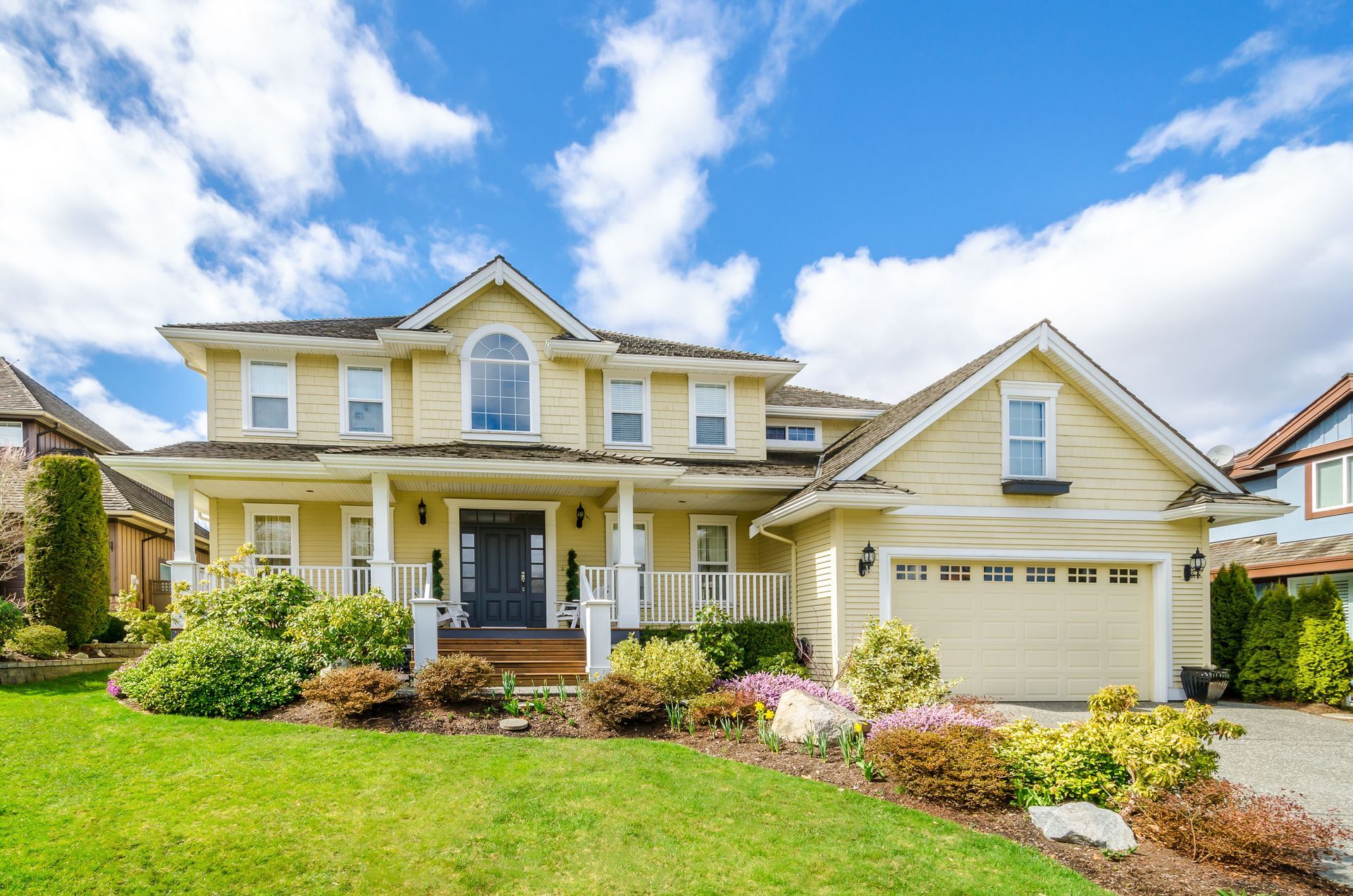
After move-in preparation, homeowners officially transition into their new residence. This stage may involve minor adjustments, settling in, and familiarizing themselves with home systems. Custom home building provides the advantage of a tailored environment, from storage solutions to energy-efficient features, which support comfort and convenience. Ongoing communication with the builder during the early occupancy period can address minor issues efficiently, ensuring that the home functions as intended. The transition phase highlights the significance of planning, quality workmanship, and attention to detail throughout the build. Homeowners can also take time to evaluate how their home performs in day-to-day life, allowing small improvements or modifications if necessary.
Custom home building is an intricate journey that requires careful planning, collaboration, and attention to detail. From initial design to move-in day, each phase contributes to the creation of a home that reflects the homeowner’s vision and lifestyle. Understanding the timeline and key milestones allows homeowners to make informed decisions and prepare for each stage of the process. With thoughtful planning, open communication, and professional guidance, constructing a custom home can be a rewarding and fulfilling experience that results in a personalized, functional, and beautiful living space.
Hammerskil Homes offers professional guidance throughout the custom home building process, ensuring that every stage, from planning to move-in day, is seamless and tailored to your vision. Contact Hammerskil Homes today to explore how your dream home can become a reality, and experience the peace of mind that comes from working with experienced professionals every step of the way.